24 Apr
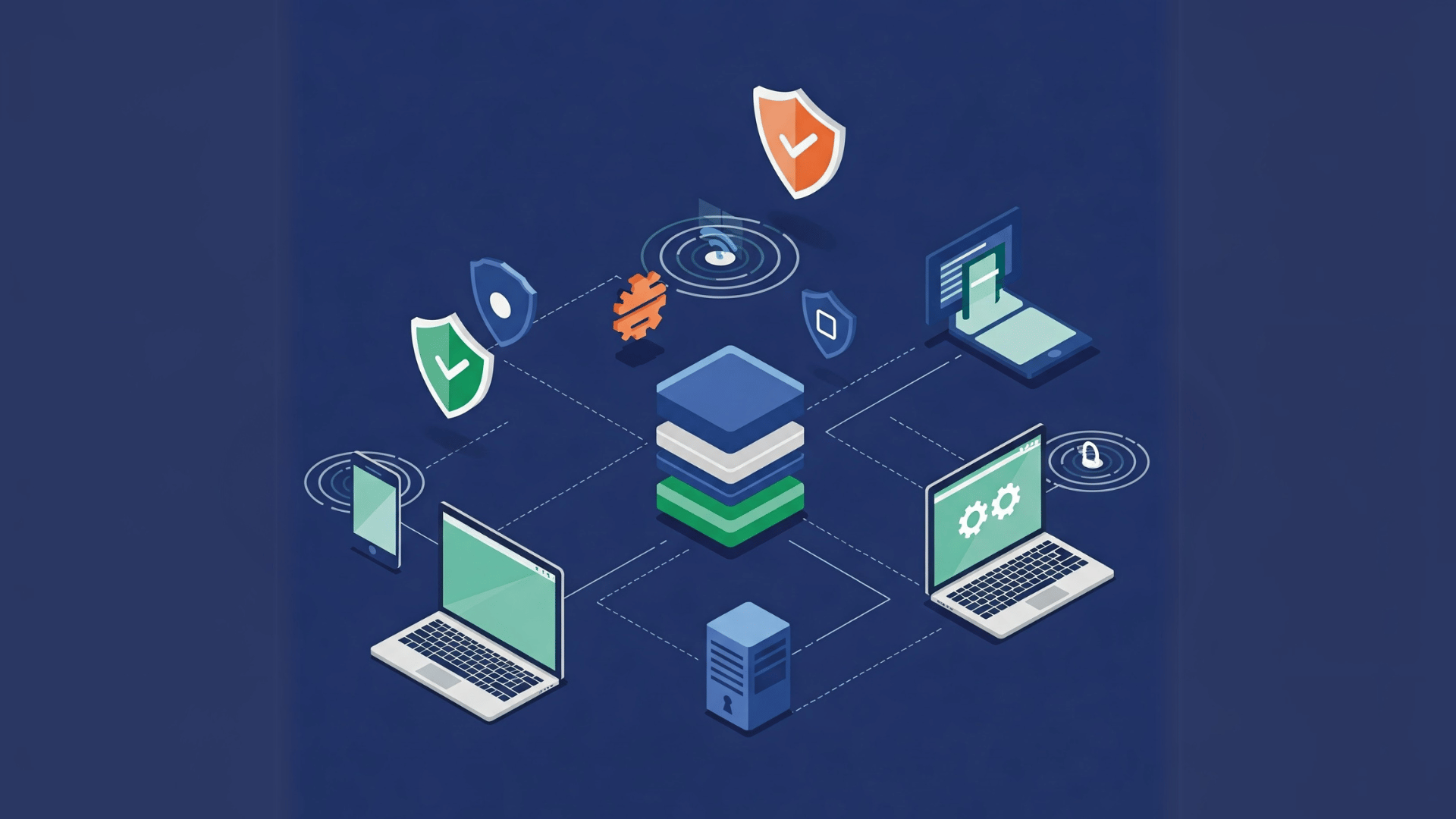
In today’s digital world, where data flows through cloud environments and remote work is the norm, old-school security strategies can’t keep up. One modern approach stands out: Zero Trust Security. It flips the traditional model on its head by assuming no one—inside or outside your network—can be trusted by default. Every access attempt must be verified. Every time.
This article breaks down what ZT means, where it came from, how it works, and why tools like CAPTCHA—especially accessible ones like captcha.eu—play a vital role in strengthening digital defenses.
Table of contents
What Is Zero Trust Security?
Zero Trust is a cybersecurity framework that requires all users and devices to prove their identity before gaining access to any system or data—no matter where they are. It’s based on the philosophy of “never trust, always verify.”
Unlike traditional perimeter-based security (which trusts everything inside the network), Zero Trust continuously checks credentials, device health, and access rights. It’s about reducing assumptions and focusing on verification.
The Origins of Zero Trust
The term “Zero Trust” was first coined in 2010 by John Kindervag at Forrester Research. It gained momentum after Google implemented a ZT model in its internal infrastructure, helping the concept gain credibility in both the private and public sectors.
Governments around the world, including the United States, have since mandated Zero Trust principles for federal agencies, recognizing it as essential to national cybersecurity strategies.
How Does Zero Trust Work?
Zero Trust works through a combination of strict access control, real-time monitoring, and smart segmentation:
- Least privilege access ensures users only see what they need to do their job—nothing more.
- Continuous authentication means login credentials are not enough. Systems verify users and devices multiple times during a session.
- Microsegmentation breaks the network into smaller zones, so even if a threat gets inside, it can’t move freely.
Modern tools like Zero Trust Network Access (ZTNA) replace traditional VPNs by connecting users only to specific apps or systems—not the entire network. These connections are encrypted end-to-end for added protection.
Where CAPTCHAs Fit Into Zero Trust
CAPTCHAs play an important role in the verification process, helping distinguish between real users and bots—especially during login or form submissions. In a Zero Trust environment, this extra step adds a frictionless but effective layer of defense.
At captcha.eu, we take it further by offering CAPTCHA solutions that are not only secure, but also accessible to all users, including those with disabilities. Our tools are designed to integrate smoothly with identity and access management platforms, strengthening your Zero Trust strategy without harming the user experience.
The Challenges of Implementing
Despite its benefits, Zero Trust isn’t something you can turn on overnight. It requires a shift in mindset and infrastructure:
- Complexity: Mapping out every asset and user role takes time.
- User friction: Poorly implemented verification steps can frustrate users.
- Legacy systems: Older technologies might not support Zero Trust requirements.
This is where thoughtful design—and user-friendly security tools like those from captcha.eu—can make a big difference. By reducing friction during verification and authentication, organizations can keep their systems secure without slowing down their users.
Real Use Cases
Zero Trust is especially useful for organizations that:
- Manage remote teams or hybrid workforces
- Work with cloud and multi-cloud environments
- Onboard freelancers, vendors, or partners
- Operate in industries with sensitive data (e.g. healthcare, finance, education)
It also helps protect against threats like ransomware, phishing, insider threats, and even automated bot attacks—which CAPTCHA systems like captcha.eu are designed to stop.
Best Practices
If you’re ready to explore Zero Trust, start with these steps:
- Map your assets – Identify which data and systems are most critical.
- Segment your network – Create access zones to limit exposure.
- Apply least privilege – Give users only what they need.
- Use MFA and CAPTCHAs – Strengthen identity verification.
- Monitor constantly – Log activity and look for anomalies.
Don’t forget that a smooth user experience is just as important as tight security. CAPTCHA solutions should be inclusive and simple to use — captcha.eu offers exactly that.
Conclusion
Zero Trust is not a one-time fix; it’s an ongoing process. As digital threats evolve, so must your defenses. By combining the power of these principles with user-friendly verification tools like captcha.eu, you can build a secure, modern infrastructure that protects both your data and your users.
100 free requests
You have the opportunity to test and try our product with 100 free requests.
If you have any questions
Contact us
Our support team is available to assist you.
 English
  German
  French
  Spanish