08 May
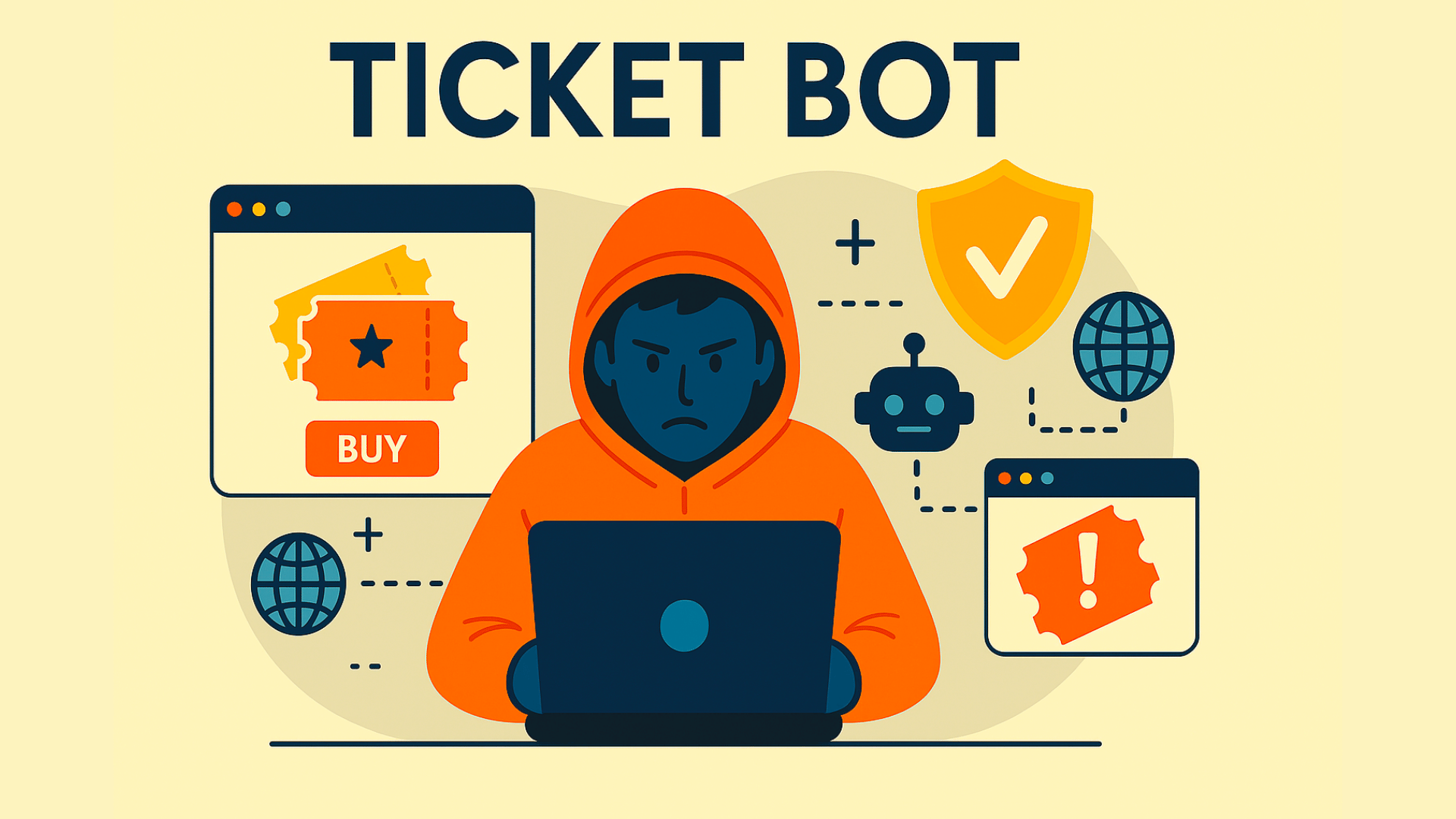
For businesses involved in online ticketing or selling high-demand products, the presence of automated programs, commonly known as a ticket bot, can be a major problem. These ticket bots operate much faster than human users, snapping up tickets and reservations before genuine customers even have a chance. As a result, the online ticketing process has become a high-stakes battle against these digital scalpers.
Table of contents
What is a Ticket Bot?
A ticket bot is an automated software program specifically designed to perform repetitive online tasks at a much higher speed than a human could manage. In the context of ticketing, ticket bots are programmed to locate and purchase tickets as quickly as possible, often bypassing security measures and unfairly outpacing real customers. These bots mimic human behavior by navigating websites, entering dates, checking availability, and completing purchases automatically, giving bot users a significant advantage over regular customers.
Often referred to as scalper bots, ticket bots are used to acquire large quantities of tickets with the intent of reselling them on secondary markets at inflated prices. This practice, known as scalping, has been around for decades, but with the rise of bots, it’s become more widespread and much harder to combat.
How Ticket Bots Operate
Ticket bots operate by automating tasks that would normally require a person to complete. Their primary goal is to bypass ticketing systems and snag tickets before legitimate customers can act. Here’s how ticket bots typically work:
- Preparation (Before the Sale): Some bots create large numbers of fake accounts or hijack existing accounts to bypass ticket purchase limits. This can be done through credential stuffing (using stolen username and password combinations) or credential cracking.
- During the Sale: Once the tickets are released, bots use speed and automation to refresh pages, check availability, and auto-fill purchase details. This is the most critical part of a ticket bot’s functionality. By acting in milliseconds, bots can complete purchases much faster than human buyers. Some bots are specifically designed to scrape the website for available tickets, while others focus on completing the checkout process quickly. Denial of inventory tactics, where bots add tickets to the cart without completing the purchase, are also common.
- After Adding to Cart/Purchase: Some advanced bots can go even further, using stolen credit card information or multiple billing profiles to complete purchases. Cashing out bots may even use different payment methods to evade detection, making it hard for ticketing companies to identify fraudulent transactions.
Modern ticket bots are becoming increasingly sophisticated, using machine learning to adapt to new security measures, such as CAPTCHA, making them harder to detect and stop.
Negative Impact of Ticket Bots
Ticket bots cause significant disruptions across the ticketing ecosystem, and their impact is felt by several parties involved:
- For Fans: The most obvious impact is on genuine fans who are unable to secure tickets at face value. Popular events often sell out in seconds, leaving fans with no choice but to turn to secondary markets. These resellers often charge exorbitant prices, sometimes marking tickets up by several hundred or even thousands of percent, leaving fans frustrated and disappointed.
- For Artists and Venues: Artists and venues suffer when scalper bots take over ticket sales. While events may sell out quickly, artists and venues do not benefit from the inflated resale prices. They may face reputational damage when fans blame them for the lack of affordable tickets, harming their relationship with their audience. This can lead to decreased revenue, especially for future events if fans feel that ticketing is unfair.
- For the Ticketing Industry: The prevalence of bots erodes trust in the ticketing process. The industry must engage in an ongoing “technological arms race” with bot operators who constantly evolve their methods. Ticketing companies face mounting costs associated with detecting and combating bots, and many also face increased legal and regulatory scrutiny as authorities take action against digital scalping.
Prevention Against Ticket Bots
To defend against ticket bots, online ticketing businesses must take proactive steps to protect their platforms. Combatting ticket bots requires a multi-layered approach that combines both technical measures and strategic planning.
Detection and Monitoring
The first line of defense is monitoring for suspicious activity. Businesses can track unusual behavior such as rapid form submissions, suspicious login attempts, or unusual traffic spikes from specific IP addresses or regions. IP blocking can help filter out known malicious IPs, but more sophisticated methods are often needed to prevent advanced bots from bypassing defenses.
Advanced Bot Detection Techniques
To effectively identify bots, businesses need to implement more advanced solutions:
- Device Fingerprinting: This method helps identify patterns across multiple sessions, even if the user changes IP addresses or clears cookies. It allows businesses to recognize and block repeated bot activity.
- Browser Validation: This technique ensures the software interacting with the site is a standard browser. Bots often use unconventional tools, so validating that incoming traffic behaves like a human browser is a strong defense.
- Reputation Analysis: Checking incoming traffic against reputation databases can help filter out malicious bots. These databases contain known bot patterns and malicious IPs that businesses can use to block unwanted traffic.
Progressive Challenges and CAPTCHA
One of the most effective ways to deter bots is by using progressive challenges. This approach begins with subtle checks, such as cookie validation, and escalates to more complex tasks, like JavaScript execution. When bots are detected, CAPTCHA challenges are a powerful tool to differentiate between humans and bots. Although advanced bots may try to bypass CAPTCHA systems, a well-implemented CAPTCHA solution can still significantly slow down or stop bot activity.
Virtual Waiting Rooms and Exclusive Access Programs
During peak demand times, virtual waiting rooms can be an effective method to manage traffic. By limiting the speed at which users can access tickets, businesses can neutralize the advantage that bots have in making fast purchases. Additionally, exclusive access programs for verified fans and mobile-only ticketing can help reduce the chances of scalpers getting tickets.
Conclusion
Ticket bots continue to disrupt the online ticketing industry and frustrate genuine customers. However, businesses can implement a variety of defenses to protect themselves. From advanced detection techniques and CAPTCHA challenges to strategies like virtual waiting rooms, these tools can help create a fairer environment for real customers.
For businesses seeking a privacy-compliant, user-friendly solution to defend against bots, captcha.eu offers a powerful CAPTCHA service designed to help protect websites from bots and online abuse without compromising user privacy. By combining these strategies with a robust security posture, businesses can ensure a more secure, fair, and efficient ticketing process for all.
FAQ – Frequently Asked Questions
What is a ticket bot?
A ticket bot is an automated software program that uses high-speed techniques to purchase tickets for high-demand events faster than humans, often to resell them at inflated prices on secondary markets.
How do ticket bots work?
Ticket bots operate by mimicking human actions on ticketing websites, such as filling out forms, checking availability, and making purchases automatically. They use speed and volume to bypass security measures and gain an unfair advantage.
Why are ticket bots used?
Ticket bots are primarily used for scalping—buying tickets at face value and reselling them at significantly higher prices. They are also used for creating fake accounts, stealing tickets, and interfering with genuine customers’ access.
Can ticket bots be stopped?
While it’s challenging to fully prevent ticket bots, businesses can implement advanced bot protection solutions such as CAPTCHA, device fingerprinting, IP blocking, and behavioral analysis to detect and block bot activity. Virtual waiting rooms and exclusive access programs are also effective strategies.
Can businesses protect their websites from ticket bots?
Yes, businesses can implement several anti-bot measures, including CAPTCHA, rate limiting, IP blocking, and machine learning techniques. These solutions help prevent bots from accessing ticketing systems and purchasing tickets before real customers can.
100 free requests
You have the opportunity to test and try our product with 100 free requests.
If you have any questions
Contact us
Our support team is available to assist you.
 English
  German
  French
  Spanish