28 Apr
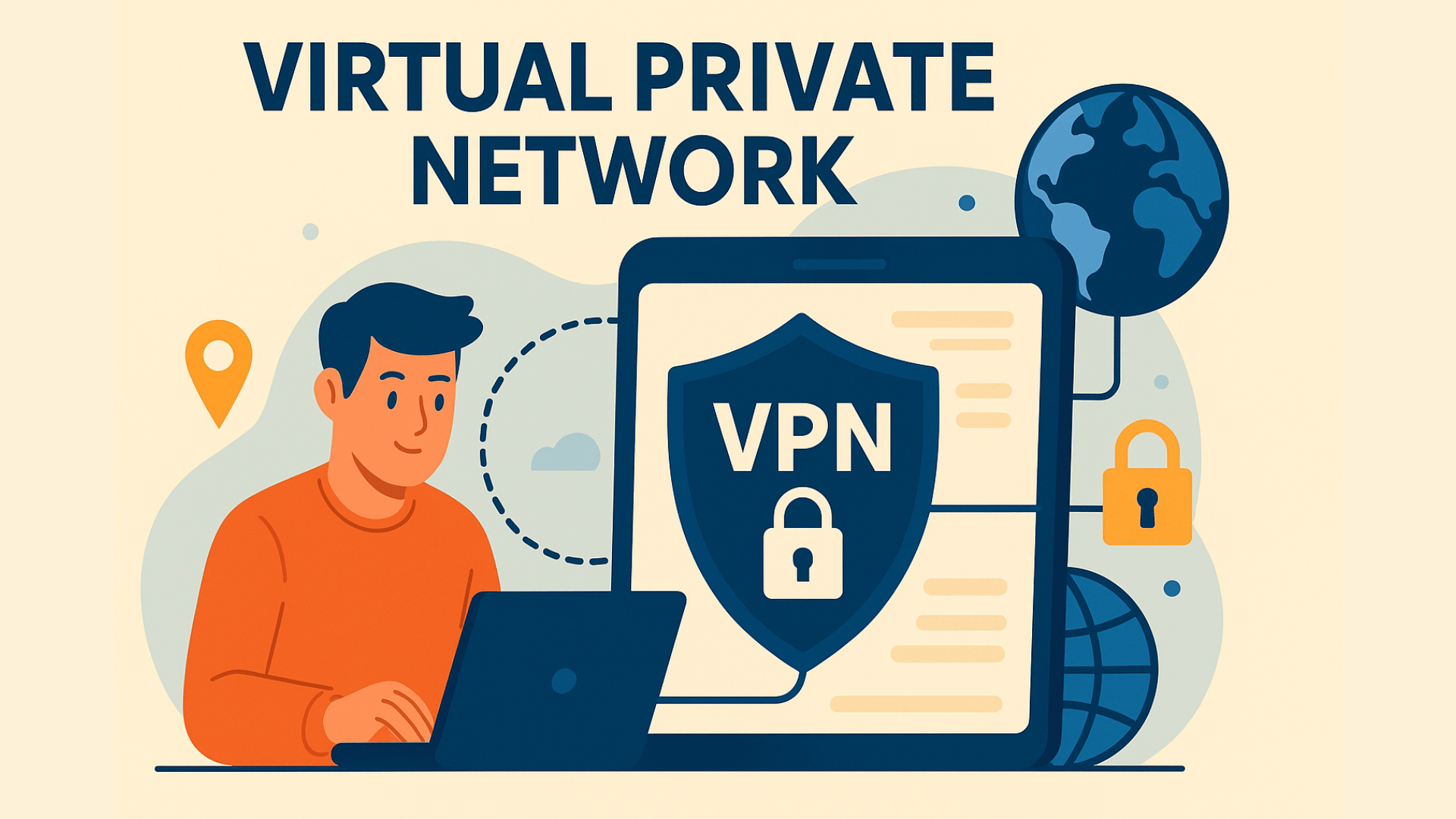
In today’s digital age, maintaining privacy and security online is more important than ever. Whether you’re browsing on public Wi-Fi, accessing sensitive information, or simply seeking more control over your digital footprint, a Virtual Private Network (VPN) can help. But what exactly is a Virtual Private Network and how does it work?
Table of contents
What is a Virtual Private Network (VPN)?
At its core, a Virtual Private Network (VPN) creates a secure, encrypted connection between your device and a remote server. It functions as a private, protected tunnel for your internet traffic, using the internet’s existing infrastructure to create a secure pathway. This allows you to browse the web safely, even on less-secure networks like public Wi-Fi, while masking your online activities from third parties.
Why Use a Virtual Private Network?
There are several reasons why individuals and businesses turn to VPNs. The most common benefit of a VPN is enhanced security, particularly when using public Wi-Fi in places like airports, cafés, or hotels. These unsecured networks expose your data to potential interception.A VPN encrypts all your internet traffic, making it unreadable to anyone trying to eavesdrop on your activities. This means that even if someone else is on the same public Wi-Fi network, they can’t access your sensitive information.
Another key benefit is online privacy. Without a VPN, your Internet Service Provider (ISP) can typically track your browsing activity and monitor your IP address. A VPN hides your real IP address by routing your connection through a remote server. The websites you visit will only see the VPN server’s IP address, making it harder for them, and your ISP, to track your online activities or determine your real location.
VPNs are also helpful for bypassing geo-restrictions. Many streaming services and websites block access to content based on your geographical location. By connecting to a VPN server in a different country, you can bypass these restrictions and access content that might otherwise be unavailable in your region. However, using a VPN to bypass such restrictions may violate the terms of service of some providers. In some countries, VPN use is also restricted or prohibited.
For businesses, VPNs offer a secure way for employees to remotely access internal company resources. Whether employees are working from home or traveling, a VPN provides a secure tunnel through which they can connect to the company network, ensuring sensitive company data remains protected.
How Does a VPN Work?
When using a Virtual Private Network, the process begins with a VPN client, which is an application or software installed on your device. The client connects to a VPN server, which can be hosted by your VPN provider or your own network router.
Once the connection is established, the VPN creates an encrypted “tunnel” to secure your internet traffic. It encrypts all data between your device and the VPN server, making it unreadable to interceptors. The encrypted data travels to the VPN server. There, the server decrypts it before sending it to its final destination, like a website or online service.
Similarly, when the server responds, it encrypts the data again before sending it back through the VPN tunnel. This process happens in real-time, allowing you to browse the internet securely and privately, just as you would without a VPN.
Benefits of a VPN
A VPN offers multiple benefits, including better online privacy and security. By masking your real IP address and encrypting your internet traffic, a VPN protects your activities from surveillance by ISPs, hackers, or advertisers.
Using a VPN also protects you when you’re on public Wi-Fi networks. As mentioned earlier, these networks are often unsecured, making them prime targets for cybercriminals seeking to intercept sensitive data. A VPN adds an extra layer of protection by making your online activities unreadable to any malicious actor on the same network.
For businesses, a VPN offers the benefit of secure remote access. Employees can connect to their company’s internal network from any location without compromising security. This enables flexible work arrangements and remote working while keeping sensitive business data secure.
How to Get Started with a VPN
If you’re new to using a Virtual Private Network (VPN), the setup process might seem a bit intimidating. But, it’s actually quite simple. Here’s a basic guide to help you get started:
- Choose a VPN Provider:
The first step is to choose a reliable VPN provider. There are many providers to choose from, with varying features, server locations, and price points. Look for a VPN that offers strong encryption, a no-logs policy (which ensures they don’t store your data), and fast server speeds. Popular options include both free and paid VPN services, but paid VPNs tend to offer better performance and security. - Sign Up and Download the VPN Software:
Once you’ve chosen a VPN provider, sign up for their service. Afterward, download the VPN client (software or app) to your device. Most VPN providers offer apps for Windows, Mac, iOS, Android, and even some smart home devices. - Install the VPN:
Install the software by following the on-screen instructions. The installation process is usually straightforward, and most VPNs will walk you through the setup. Once installed, open the app. - Connect to a VPN Server:
Once the software is installed and open, you’ll be prompted to select a server location. If you want to access content from a different country or bypass geographic restrictions, choose a server in that location. For added security, choose a server close to your actual location for faster speeds. Click “Connect” to establish a secure, encrypted connection. - Start Browsing Safely:
After connecting to the VPN, your internet traffic will be encrypted and routed through the VPN server. You can now browse the internet more securely, access geo-blocked content, or protect your data when using public Wi-Fi. - Disconnect When Done:
When you’re finished using the VPN, disconnect by clicking on the “Disconnect” button in the VPN app. Your internet connection will return to normal, and you can safely continue with your online activities.
Tip: Many VPN providers also offer browser extensions, which allow you to activate the VPN directly from your web browser for added convenience.
Why is a Virtual Private Network important?
Once your VPN is set up, it’s crucial to make it a regular part of your online routine. Whenever you’re on a public network, like Wi-Fi in cafés, airports, or hotels, connect to your VPN to protect your data from hackers. Using a VPN regularly also maintains your online privacy by masking your IP address and preventing third parties from tracking your browsing activities.
For businesses and website operators concerned about online security, VPNs are invaluable in protecting sensitive data. While VPNs secure your internet traffic and ensure privacy, it’s equally important to defend your website against automated bot attacks. This is where CAPTCHA technology becomes essential. By integrating CAPTCHA solutions like captcha.eu, businesses can block bots and ensure that only real users interact with their sites. That is adding an extra layer of protection to maintain the integrity of their online services.
Conclusion
A Virtual Private Network (VPN) is an essential tool for anyone who values online privacy and security. It encrypts your internet traffic, masks your IP address, and protects you from cyber threats, whether on public Wi-Fi or working remotely. A VPN ensures your data stays private, preventing unauthorized access and data breache.
For businesses looking to protect their users and data from automated abuse, integrating a privacy-compliant CAPTCHA solution, like captcha.eu, is a smart move. This combination of VPN and CAPTCHA technology provides a robust defense against both unauthorized access and bot attacks, ensuring a safer online environment for everyone.
 English
  German
  French
  Spanish